If you found a copy of Super Mario Bros. from 1987 in your attic, you might think you’ve hit the lottery. But in the world of retro games, "old" doesn't always mean "expensive." Here are the four factors that actually determine a video game's value.
- Old does not automatically mean valuable. Age is one of the least reliable indicators of what a game is worth.
- The four factors that actually determine value are rarity, demand vs. supply, annual franchise depreciation, and condition.
- A Complete-in-Box copy commands significantly more than a loose cartridge. Lunar 2: Eternal Blue CIB sells for around $150. Disc only sells for around $65.
- Late-life releases on older consoles are often the most valuable, TMNT Tournament Fighters on NES had roughly 25,000 units produced vs. 2.5 million for the SNES version.
- The Old School Game Vault has been buying retro games since 2008. Our live database gives you an instant cash quote based on real collector market data — not guesswork.
What Determines Retro Video Game Value?
| Factor | What It Means | Real Example |
|---|---|---|
| Rarity | Late-life releases with low production runs are the most valuable | TMNT Tournament Fighters NES — ~25,000 units vs. 2.5 million for the SNES version |
| Demand vs. Supply | High demand + low supply drives price up. High demand + high supply keeps price low. | EarthBound and Chrono Trigger vs. Super Mario Bros. and Sonic the Hedgehog |
| Annual Franchises | Sports and annual titles lose 70%+ of value within 12 months | Madden, FIFA, and Call of Duty drop to roughly 20% of original price when the next edition releases |
| Condition | Complete-in-Box commands a significant premium over loose cartridges or discs | Lunar 2: Eternal Blue CIB — $150. Disc only — $65. |
The Table of Contents
What Makes Retro Video Games Valuable?
As an example, the rarest NES games aren't the ones everyone played; they are the titles that 90% of kids didn’t even know existed. To understand what your collection is worth, you have to look at the market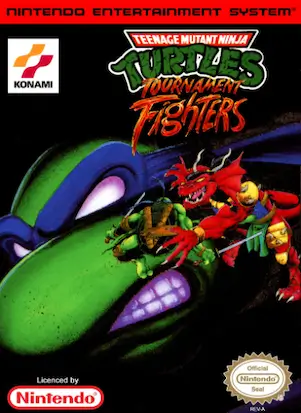 math.
math.
1. Rarity: The "Late-Life" Secret
The most valuable games weren't usually the most popular ones. They were the games released at the very end of a console's life cycle when most people had already moved on to the next system.
- The Case Study: Teenage Mutant Ninja Turtles: Tournament Fighters.
- The SNES version sold roughly 2.5 million units. It’s a great game, but it’s common.
- Nintendo released the NES version in 1993, long after the Super Nintendo had taken over. Production reports and Nintendo Power archives suggest that only about 25,000 units were ever made.
- The Result: That 100-to-1 production difference makes the NES version a sought-after "Holy Grail." The others are affordable shelf-fillers.
2. Popularity vs. Supply
A game can be legendary and still be cheap. Mass-produced hits like Super Mario Bros., Sonic the Hedgehog, and Duck Hunt exist in the millions. Because there is a massive supply, the price stays low.
- The Rule: High Demand + High Supply = Low Price.
- The Exception: High Demand + Low Supply (like EarthBound or Chrono Trigger) = High Price.
3. The "Madden" Trap (Annual Franchises)
Modern games and annual franchises lose value faster than almost anything else.
- The 70% drop: Most games lose the majority of their value within the first 12 months.
- The Sports Factor: Games like Madden, FIFA, and Call of Duty drop to about 20% of their original price the moment the next year’s version hits shelves.
- Unless a sports game has a very specific "glitch" or rare licensing issue, it is rarely a collectible.
4. Condition Matters More Than You Think
In the collector market, "people don't like cosmetic flaws". To get top dollar, a game needs to look like it's been kept in a time capsule.
- The Deal-Breakers: Torn labels, cracked cases, and sun-faded, yellowed spines reduce the value of the game.
- The "CIB" Premium: Take Lunar 2: Eternal Blue (PS1). A copy that is Complete in Box (CIB) with the original manual and inserts can sell for $150. The same game, the discs "only", sells for around $65.
The Takeaway
Before you spend time researching individual prices, look at your pile. Remember, having a Mario game from 1987 does not guarantee great value; the game's condition, rarity, and demand determine its value. Professional grading services like WATA and PSA can add significant value to sealed copies, but for most sellers with played collections, condition and completeness matter far more than a grade.
If you have Nintendo classics (NES, SNES, N64, GameCube) that are complete and clean, you likely have significant value. If you have a stack of loose sports titles from 2005, the value is likely minimal.
Addressing the Fear of Regret
Most people don’t regret selling for the money; they regret it for the memories. If a game reminds you of childhood or a loved one, keep it. You don’t have to sell everything. We recommend keeping the 'Top 5' that mean the most and turning the rest into real-world cash.
Ask yourself these three questions:
- Will I ever have the opportunity to play this specific game again?
- Do I miss the game, or do I miss the memory of being a kid?
- Would I rather have this box of plastic or the money to pay for a new family experience?
Ready to see the actual math? Understanding what truly makes a game valuable allows you to take the next step.
Frequently Asked Questions
Which old video games are worth money?
Late-life releases with low production runs are almost always the most valuable. TMNT Tournament Fighters on NES had roughly 25,000 units made — the SNES version had 2.5 million. RPGs like EarthBound and Chrono Trigger hold value because demand is high and supply is permanently limited. Sports titles and annual franchises are rarely worth much regardless of age.
Are my old video games worth anything?
It depends on four things — rarity, demand vs. supply, condition, and whether they're complete. A stack of loose Madden cartridges is worth very little. A complete-in-box NES or SNES collection in clean condition can be worth significant money. The fastest way to find out is to search your titles in a live price database.
Can you get money for old video games?
Yes. The retro game market is active and growing. The key is knowing what you have before you sell. Common titles in poor condition net very little. Rare titles in complete condition can net hundreds. The Old School Game Vault gives you an instant cash quote based on real collector market data — no guesswork required.
What makes certain vintage console games valuable to collectors?
Three things consistently drive collector value — scarcity, cultural significance, and condition. Games released at the end of a console's life cycle in small print runs are the most sought after. Games that defined genres or introduced iconic characters hold value as cultural artifacts. Condition determines how much of that value you actually realize when you sell.
How do I find the market price of vintage video games?
PriceCharting is the most widely used tool for checking aggregate market data. It shows loose, complete, and graded prices for most titles. Keep in mind it averages across condition grades and can't separate label variants — the actual value of your specific copy may differ. A specialist buyer's live quote is usually more accurate for what you'll actually receive.