Key Takeaway: Retro gaming is popular again because the barriers that killed it are gone. You can find original hardware on eBay, download classics on modern consoles, and play retro-style indie games on your phone. The nostalgia was always there, and now, actually playing the games is easy again.
For a while in the 90s and 00s, it looked like video games would be a medium you could never look back on.
Video games are a medium tightly bound to their underlying technologies, and with those technologies improving in leaps and bounds, playing a three-year-old game, let alone a ten-year-old game, often felt like an exercise in frustration (as I point out here with regard to early computer D&D games).
Beyond that, as the consoles and computers used to play these games became obsolete, it became increasingly hard to find a working system on which to play old games, even if you wanted to. Retro GamingAnd then you’d have to find the games themselves.
The Table of Contents
How Retro Gaming Made a Comeback
- Online marketplaces made original hardware and games easy to find.
- Classic games updated and available on modern systems.
- Old games remixed into new ones and compilation packs.
- Retro-style sequels and reboots drawing from the originals.
- Mobile gaming made older simpler titles perfect for on the go.
- Nostalgia - a direct connection back to childhood.
- Old consoles built to last unlike modern hardware.
- Console wars forced better games and iconic characters.
- Characters like Mario and Zelda that transcended their era.
- Harder difficulty that rewarded skill over convenience.
In recent years, the maturing video game industry has solved all of these problems in various ways, bringing a true retro renaissance to the field of video games and to gamers young and old. The main factors detailed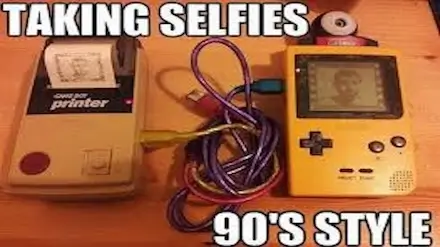 below have combined to make it easier and more enjoyable than ever to play old games.
Online Marketplaces Made Old Games Easy to Find
The increasing ubiquity of online commerce, both giants like Amazon and eBay and niche sites like The Old School Game Vault that give you just what you’re looking for, has made it easier than ever to connect with other gamers to buy and sell old games and hardware.
In large cities like Chicago, retro arcades are popping up where you can play the original arcade games in their original form (while buying a drink or two…these tend to be aimed at adult rather than kid gamers). So finding ways to play the original games on their original systems is no longer the struggle it once was (especially in the nineties).
Classic Games Updated for Modern Systems
More and more old games are being updated for current OSes through platforms like GOG.com, Xbox, PlayStation, Nintendo download stores, and Steam. I can play King’s Quest, Quest for Glory, X-Wing, Star Trek: 25th Anniversary, and Super Mario World, among many others, on my current computer and game consoles (and it is glorious).
Some games like Grim Fandango and Resident Evil get HD updates, others retain their original pixilated glory, and some, like The Secret of Monkey Island and Halo: Combat Evolved Anniversary, let you switch between old and new graphics. As this happens, what we’re seeing is similar to how other media survive over time: the best games persist while the mediocre and bad stuff drops off the radar.
Most of the games that were fun because they were state-of-the-art but that fade when their gameplay and graphics lose their luster have been laid to rest, but the classics whose core mechanics, art style, and storytelling remain compelling have found second lives, one way or another.
Old Games Remixed Into New Ones
Old games are being remixed, adapted, and inserted into new games (for more on old games hidden inside new ones, see the first link up top). Sanctum 2, for instance, hides adapted versions of the old Atari Centipede and Breakout games (you have to find arcade consoles hidden within the world, and then you can play them).
Retro compilations and remix collections like the SNK 40th Anniversary Collection, Capcom Arcade Stadium, and Sega Genesis Classics have brought dozens of classic games together with modern features such as save states, online multiplayer, and enhanced visuals.
These collections make it easy to dip into the past and enjoy a wide variety of retro titles in convenient new ways. This isn’t how I want to experience ALL of my retro gaming, of course, but it’s a good sign that this approach has emerged in the retro gaming ecosystem alongside other options.
Retro-Style Sequels and Reboots
Retro-style sequels are becoming a thing. As the industry gets better at reviving old games, it’s given us all a chance to reflect on what made those games good back then and what’s worth reviving about them now. Current developers are incorporating these lessons into making new games (or reboots of old series) that draw heavily on the gameplay, narratives, and art styles of the old, while also benefiting from all the advances of the intervening years.
Mobile Gaming Brought Retro Games Everywhere
The rise of mobile gaming has provided the perfect platform for replaying older, simpler titles (and new games based on them). If I’m sitting down at my home entertainment center to play a game on my widescreen TV, I tend to fire up my PS5 more often than some version of an NES or N64 game (though I definitely play my N64 sometimes, too).
But on the go? It’s an ideal setting for playing older games whose graphics don’t need (or benefit from) a giant HDTV and which can be played in small chunks as I commute or kill time waiting in various situations. This is the impulse behind mobile consoles from the Game Boy onward, and the rise of smartphones has increased both the audience and the platforms for this kind of retro (and retro-influenced) gaming.
Nostalgia Takes You Back to Childhood
This is the first and principal reason retro gaming enjoys such a huge following. Today’s titles deliver an immersive experience replete with kinetic action that all but knocks you out of your gaming chair, but there’s something about a platformer or side-scrolling adventure that offers a one-way ticket straight back to childhood.
This isn’t just for adults; kids are getting into the mix. It’s not unusual to see today’s gamers enjoying a game of Pokémon on an old-school Gameboy, or tearing through Goldeneye’s God Mode on the N64.
Old Consoles Were Built to Last
Today’s generation of gamers may scoff at the bulky consoles of yesteryear and their blocky cartridges. To these whippersnappers, it’s the difference between a lightning-fast online payment processor and those 1980s credit-card imprinters that made a chunk-chunk sound when they physically swiped the card. But, as your surly grandfather used to say, “they were built to last back then.”
Growing up in the 1980s, this writer saw the evolution firsthand. It began with Atari, then the NES, then the Super Nintendo and the Genesis, and all of them always worked. Try buying a used PS4 and see how long before the disc drive fails. On the other hand, order an old NES off eBay and dollars to donuts it runs like a dream for the next millennium. There’s something deeply reassuring about that, which means these older machines will always have a place in a retro gamer’s entertainment cabinet.
Console Wars Drove Better Games
Some might credit free-market capitalism with creating the conditions necessary for robust competition between the video-game companies of the ‘80s and ‘90s. A more noble-minded way to look at it would be that these companies forced one another to raise their creative game, thus delivering groundbreaking titles to the masses.
Say what you will, but the ruthless dog-eat-dog, king-of-the-hill console wars of the ‘80s do not exist today (even Coke and Pepsi go after each other harder than today’s consoles). Now all games are released for all systems, so innovation only comes from the studios. There’s nothing wrong with this, but without that level of propriety, it means there will likely be fewer iconic characters that one console can use to bludgeon another console for market share. And speaking of characters…
Iconic Characters That Defined Gaming
No one can predict the future. But if the past is any indicator, it’s doubtful so many current titles will be rebooted across future generations of consoles. Smash hit franchises like “Halo,” “Call of Duty,” and “Grand Theft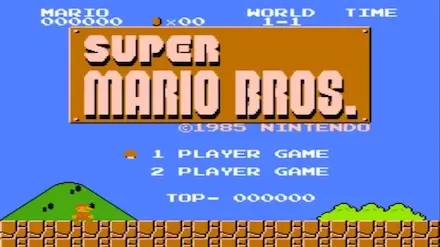 Auto” may always be around, but even these titans don’t have what the old guard did.
Classic games and their unique characters first appeared in the arcades in the 1970s with such hits as Pac-Man. But it was the home consoles and their stars, like Mario and Zelda, which captured the imaginations of a generation of kids.
That’s because the developers translated a Japanese gaming sensibility to American audiences. It involved technical precision, sophisticated design, and boundless creativity when it came to character creation. That’s why so many iconic video-game characters have evolved from one console generation to the next.
Mario is now an international icon, and people will buy “Zelda” games forever. Even the fighting games of yesteryear had that little extra something. Sure, any modern video-game studio can put out a bone-crunching fighter heavy on the ultra-violence, but how many designers are creating King Hippo, Sub-Zero, Blanca or Yoshimitsu?
Games Were Harder Back Then
These are just a few reasons retro gaming is ascending in popularity. Many gamers also credit the difficulty of the games in years past. Three lives, no tutorials, and you’re on your own. Yes, it was a simpler time, one defined by blocky cartoon characters more real than today’s movie heroes, and with hex-code music providing the soundtrack to a generation.
The Wrap Up
These developments have combined to make this the golden age for retro gaming. It's a great time to be a retro gamer. You can hunt for original cartridges, download classics on modern systems, or find cool indie games in retro style. If I can sumamrize a sentence above, sites like The Old School Game Vault make it easier than ever to people to relive their childhood and buy and sell their video games.