A few years back, I got in a pretty expensive SNES trade-in order; it had several of the most expensive games in the order. A lot of times, I don't look at the exact contents of the order till I review the order sheet inside the package.
The first thing I noticed was two copies of Aero Fighters; there is no way someone has two copies of Aero Fighters sitting around. Not to mention, when I pulled them out of the box, these games looked so shiny I almost fell over. What am I, some sucker? Come on.
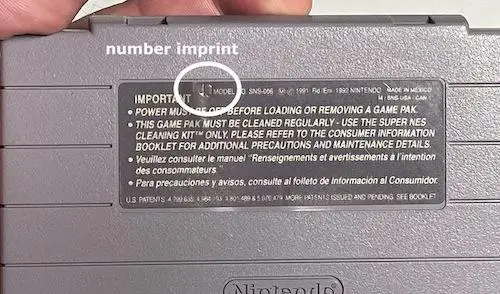
- Back Label: Real SNES cartridges have a two- or three-character factory code stamped into the back label. Fakes have no imprint or a very faint one.
- Screws: Authentic Nintendo security screws are perfectly round. Fake screws look jagged, as if punched out of metal rather than precision made.
- Molded Shell Imprints: Inside a real shell you will find alphanumeric codes molded into the plastic — real copies had E-27 on the top shell and B-43 on the bottom. Fakes have no markings at all.
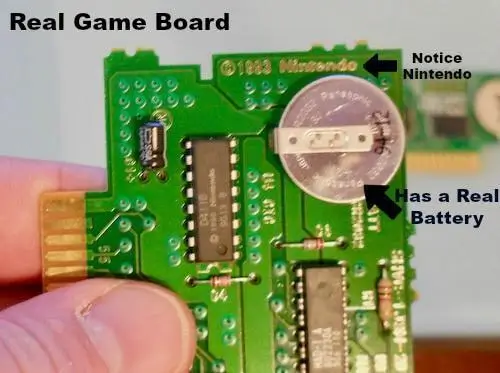
- Internal Board: A real board fills most of the cartridge and has the copyright year and Nintendo printed directly on it. Fake boards are often half the size with no branding.
- Save Battery: EarthBound, Chrono Trigger, and Zelda all have a CR2032 battery soldered to the board. No battery means the cartridge is fake.
- The Old School Game Vault has been buying and authenticating SNES games since 2008.
The Table of Contents
My first reaction was: Wow! These games had almost no scratches or blemishes on the shells or labels.
Here are 4 Steps to Spot Fake SNES Cartridges
Step 1. Condition Matters
- The Shell: For games over 30 years old, these looked almost brand-new, which seemed pretty suspicious.
- The Screws: Check the security screws closely. On these fakes, the screws weren’t perfectly round. They looked jagged, as if they were punched out of metal instead of being carefully made by Nintendo.

Step 2. Look for Molded Imprints
One of the best hidden signs is inside the plastic shell. If you look just above and below the game pin connector, you should see letters and numbers molded into the plastic.
- Authentic: Our real copies had molded imprints, such as E-27 on the top shell and B-43 on the bottom.
- The counterfeit games had no markings or stamped imprints on the inside of the shell.
- Note: This tip also works for identifying fake NES, N64, and GBA games.

Step 3. Look at the Labels
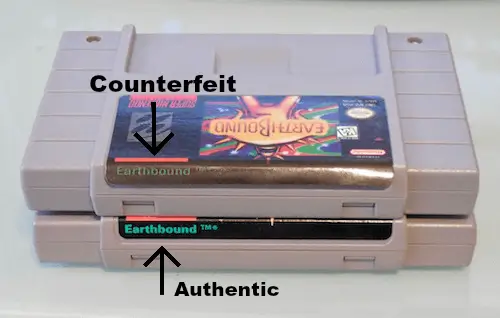
If you look closely at the game label, the flaws on the counterfeit games are easy to spot.
- Blurry Print: The text on the fake Chrono Trigger was hard to read and out of focus.
- Font Issues: The fake EarthBound used the wrong font and colors on the end label.
- Zelda Specifics: On the fake Legend of Zelda, the "Player’s Choice" logo was very small. Also, the end label was incorrect.
- The back label of Authentic SNES cartridges will have imprinted numbers “stamped into” it, generally two or three characters like 11A, 03, or 0B.
Step 4. Examine the Internal Board
The best way to tell if an SNES game is fake is to open the cartridge and check the circuit board. You’ll need a 3.8mm gamebit opener to do this.
- Branding: A legit board will have the year and "Nintendo" imprinted directly on the internal board (like, 1993 Nintendo).
- Board Size: Real boards usually fill most of the shell. As shown in the photo above, fake boards are often much smaller than the originals.
- Save Battery - Zelda, Chrono Trigger, and EarthBound will all have a CR2032-sized battery soldered to the internal board.
Watch the Real Vs Fake Comparison Video
I made a video walkthrough that shows these fake games (like Chrono Trigger and EarthBound) next to real ones. You can also find high-resolution photos on our Pinterest page.
Frequently Asked Questions
What are the common signs that a SNES game cartridge is fake?
Look for missing molded imprints inside the shell, no factory number stamped into the back label, and jagged screws instead of perfectly round ones. Opening the cartridge reveals the clearest sign. Fake boards are often half the size of real ones with no Nintendo branding.
What are the key visual indicators of a counterfeit SNES game label?
Blurry or out-of-focus text, wrong fonts, and incorrect colors on the end label are all red flags. Real back labels have a 2 or 3 character factory number stamped directly into them. Fakes have no imprint at all.
Are there specific screw types used in authentic SNES cartridges?
Yes. Nintendo used precision security screws that are perfectly round. Counterfeit cartridges use screws that look jagged, as if punched out of metal rather than carefully manufactured.
Are there services that authenticate and grade SNES game cartridges?
The Old School Game Vault has been authenticating SNES games since 2008 and inspects every cartridge before buying. For high-value graded copies, professional services like WATA and VGA provide sealed authentication.
What tools do I need to open a SNES cartridge for inspection?
You need a 3.8mm gamebit security screwdriver to open SNES cartridges. Once open, check the board size, the Nintendo copyright imprint, and whether save-reliant games like EarthBound and Chrono Trigger have a CR2032 battery soldered to the board.