Fact: one of the best video games of all time is GoldenEye 007 for the N64. When it dropped in 1997, it changed gaming because it was the total package: a fantastic single-player campaign, amazing unlockable challenges for each single-player level, and, most critically, fantastic split-screen multiplayer.
The Table of Contents
(Specifying “split-screen” isn’t strictly necessary, since that was all the N64 and other consoles of the day offered, but QuakeWorld mode for Quake had been out for a year, and Counter-Strike was only two years away.) I’m sure you could find some commercially viable split-screen shooter before 007, but that would be academic. GoldenEye blew the doors open and brought split-screen mayhem to couches worldwide.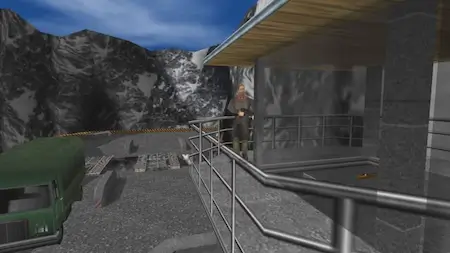
The list of fantastic successors is long and storied: Perfect Dark, Timesplitters (and Timesplitters 2), Halo: Combat Evolved, Call of Duty… within a handful of years after 007, split-screen multiplayer was firmly entrenched.
The Screencheating Phenomenon
One of the signature experiences of 007 and later split-screen shooters is screencheating, where you peek at your friend’s screen to see where they are so you can ambush and obliterate them.
Some folks thought screen-cheating was fair game, while others saw it as absolute BS. It’s hard to think of a late 90s/early 00s gaming issue that could spark arguments within a group of gamers more reliably, even if only sometimes lightheartedly.
The Shift to Online Multiplayer
However, the rise of split-screen was soon eclipsed by online multiplayer; as noted before, Counter-Strike (1999) came out only two years after Goldeneye.
And while I remember CS primarily by way of LAN parties in my college dorm lobby, we would literally wire a dozen computers together in the physical room called the lobby rather than internet-based games. LAN parties went niche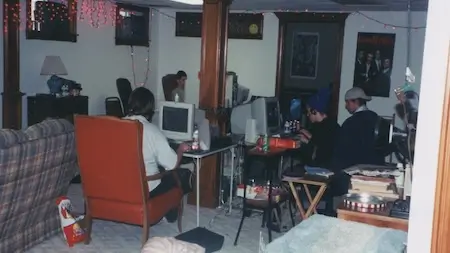 while true online gaming went big as web connections became faster, more ubiquitous, and more reliable.
Split-Screen’s Endurance
Despite all that, reports of split-screen's death have been greatly exaggerated. Couch co-op and competitive games like 007 are no longer reliable blockbusters, but they’ve carved out a niche and survived.
Nintendo, always more focused than Sony or Microsoft on family and local socializing, has invested in couch split-screen across many genres throughout its history, with series like Smash Bros. and Mario Kart proving reliable draws on each new console.
While shooters have always been more of a sidebar for Nintendo, it kicked off couch multiplayer with the N64's 007 and Perfect Dark and hosted the Timesplitters games and Medal of Honor on GameCube, the Metroid Prime trilogy (and a so-so Goldeneye 007 remake) on Wii, and an increasing number of cross-platform games (split-screen and otherwise) in the Switch/Switch 2 era.
Screencheat: Reinventing Split-Screen
Probably the cleverest post-peak split-screen shooter, though, skipped the Nintendo platforms. Screencheat (2014) took the classic issue of screencheating and made it the entire game: player characters are invisible, so the only way to find your opponents is to look at their screens (unless you want to wait for their gunfire to appear out of nowhere and then shoot at its source).
It’s a delightful spin on the old-school experience, and when it came out, I bought a couple extra controllers for my PS4 so I could enjoy it in full four-player couch-based glory.
Split-Screen in Modern Gaming
Split-screen has receded from the center of gaming culture, but it has never gone away. From time to time, it sees a moderate resurgence on various platforms when a strong game comes out, or people miss in-person connection a bit more than usual.
The early 2020s, of course, led to a greater shift toward the remote-ification of day-to-day life, but rather than killing split-screen, I would argue that more remote interaction in other areas of life has helped me appreciate in-person multiplayer gaming more than ever.
From Lego games to modern co-op classics like It Takes Two, A Way Out, or Split Fiction, or Nintendo’s evergreen Mario Kart and Smash Bros, there are still plenty of split-screen options for gamers today. It’s not central to the business model anymore, but blockbuster shooters often still offer split-screen options, too, like Gears or Call of Duty.
The Value of Local Play
And that’s probably how it should be. The world has changed, and a lot of what we do, even with each other, is online these days.
But I think most of us don’t want to give up in-person socializing completely, so it’s nice to have these options when we can use them. It’s not the main form of gaming anymore, but that doesn’t make it unimportant.
Because nothing beats seeing your buddy’s face the moment you destroy them, especially if you pulled it off by looking at their screen.