The 1990 Nintendo World Championships (NWC) was a big gaming event. It visited 29 U.S. cities and helped popularize competitive gaming.
- Details
- Written by: Brandon Perton

That damn dog - I wish you could shoot the fu**ing dog. Duck Hunt defined the NES Zapper experience, but Freedom Force made you feel like John McClane meets Terminator.
- Details
- Written by: Brandon Perton
Explore reviews, strategies, and insights on retro video game sequels and remasters, highlighting how classic franchises like Fire Emblem, Mario Kart, Call of Duty, and Final Fantasy balance nostalgia with innovation.
- Details
- Written by: Brandon Perton
Sometimes quitting a video game is the better choice. Here’s why knowing when to stop can make the experience more enjoyable.
- Details
- Written by: Brandon Perton
Explore how first-person, third-person, and hybrid perspectives shape the way we play, experience stories, and interact with modern video games.
- Details
- Written by: Brandon Perton

Wild West games aren't about outlaws; they were technical pioneers. Here are 10 retro cowboy classics that still hold up.
- Details
- Written by: Brandon Perton
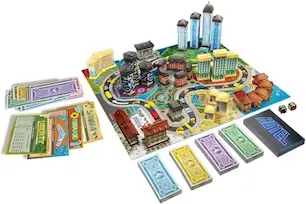
During COVID, my family played board games every Friday - usually Hotels or Monopoly. Those game nights proved what I already knew: in-person board gaming offers something video games can't replicate.
- Details
- Written by: Brandon Perton
Explore our in-depth comparison of Mario Kart 64 vs Mario Kart Wii to see which retro racer truly deserves the crown.
- Details
- Written by: Brandon Perton
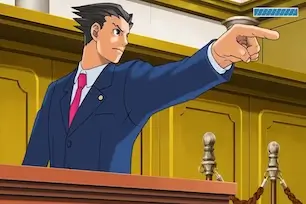
What connects point-and-click adventures, RPGs, and visual novels? See how player choice makes their stories feel like games.
- Details
- Written by: Brandon Perton